
Can Solar Panels Be Recycled? Materials That Can Be Recovered


Yes, solar panels can be recycled to recover valuable materials such as glass, aluminum, copper, silicon, and silver. According to the U.S. Department of Energy, solar panels typically last 25–35 years, making responsible end-of-life management increasingly important as older systems are retired.
Green Clean Solar helps businesses across the USA manage solar panel recycling, decommissioning, and material recovery to reduce waste and support responsible resource use.
What Materials Can Be Recovered From Solar Panels?
Most conventional solar panels use crystalline silicon technology. Their construction includes several materials that can be separated and recovered, although not every material is equally easy or economical to recycle.
The U.S. Environmental Protection Agency (EPA) identifies glass, aluminum, copper, and certain plastic components among the materials that can be recovered from conventional solar panels. More specialized processes can also target silicon, silver, and other metals.
1. Glass
Glass makes up approximately 75% of a conventional solar panel’s weight, according to the EPA. It protects solar cells from weather and physical damage. During recycling, the glass is separated and processed for use in other products, depending on its purity and quality.
Glass recovery reduces landfill waste and the need for virgin raw materials.
2. Aluminum
Aluminum is used in solar panel frames because it is lightweight, durable, and corrosion-resistant. During recycling, the frames can often be removed and sent to scrap-metal facilities, where the aluminum is processed into new products.
Recovering aluminum reduces waste and supports the reuse of a valuable, recyclable metal.
3. Copper
Copper is found in solar panel wiring, electrical connections, and cables. During recycling, accessible copper components can be separated and processed for reuse in electrical wiring and other industrial products. Recovering copper inside panels may require specialized processing.
Copper recovery conserves valuable resources and reduces waste from retired solar installations.
4. Silicon
Silicon is the key semiconductor material in most solar cells, helping convert sunlight into electricity. Recovering it requires specialized mechanical, thermal, or chemical processes to separate it from the panel’s bonded layers. Depending on its purity, recovered silicon may need further refining before reuse in new solar cells.
Silicon recovery helps conserve valuable resources and reduce the need for energy-intensive production of new materials.
5. Silver and Other Metals
Silver is used in the electrical contacts of many silicon solar cells. Although present in small quantities, it can be recovered through specialized recycling processes. Depending on the panel type, other metals may include tin, lead, cadmium, tellurium, indium, and gallium, which require appropriate handling and separation.
Recovering specialty metals can support resource conservation, but their presence alone does not guarantee that extraction will be commercially viable.
6. Plastics and Other Components
Solar panels contain plastics, polymer encapsulants, backsheets, and junction boxes that protect their electrical components. Some can be separated for recycling, while bonded or mixed materials may be harder to recover.
Solar installations also generate waste such as packaging, wooden crates, wiring, and scrap metal. Green Clean Solar supports solar waste management, including the handling of plastics, inverters, batteries, racking, and other materials, depending on available recycling options.

Solar Panel Materials and Their Recycling Potential
Material | Where it is found | Recovery considerations |
Glass | Front protective layer | High-volume material; purity affects reuse |
Aluminum | Panel frame | Often removable and recyclable through scrap-metal channels |
Copper | Wiring and electrical connections | Accessible wiring is easier to recover than embedded copper |
Silicon | Solar cells | Requires specialized separation and possible refining |
Silver | Electrical contacts | Valuable in small quantities; needs specialized recovery |
Other metals | Cells and electrical components | Depends on panel chemistry and processing technology |
Plastics | Encapsulants, backsheets, junction boxes | Recovery varies with material composition and contamination |
There is no single recovery percentage that applies to every solar panel. The final result depends on the panel type, processing method, facility capabilities, and whether recovery is measured by total weight or by individual material.
How Does Solar Panel Recycling Work?
Solar panel recycling generally involves several stages. The exact process depends on the technology used in the modules and the materials the facility is equipped to recover.
Step 1: Inspection and sorting
The panels are assessed to determine their type, condition, quantity, and potential for reuse. Working panels may be evaluated for refurbishment or a second life before recycling is considered.
Step 2: Safe removal and preparation
Electrical equipment must be safely disconnected before panels and related components are removed. Modules are then prepared for transport and processing according to the project's requirements.
For large installations, advance planning helps coordinate labor, equipment, storage, transportation, and recycling arrangements.
Step 3: Component separation
Recyclers may remove aluminum frames, junction boxes, and accessible wiring before separating the remaining layers. Mechanical processes can break down panels, while thermal or chemical methods may be used to separate materials that are tightly bonded together.
Step 4: Material recovery
Glass and metals are sorted into appropriate material streams. Specialized facilities may use additional processes to recover silicon, silver, or semiconductor materials from particular panel types.
Step 5: Downstream recycling and documentation
Recovered materials are directed to suitable processors or buyers. Materials that cannot be recovered economically or safely must be managed through an appropriate disposal route.
For commercial projects, documentation of material quantities, destinations, and recycling outcomes can support internal sustainability reporting and project records.
To learn more about these stages, read Green Clean Solar's guide to understanding the solar panel recycling process.
Can Every Solar Panel Be Fully Recycled?
No. Although many solar panel materials are recyclable, complete recovery is not guaranteed.
Conventional crystalline-silicon panels and thin-film panels have different compositions, so they may require different recycling methods. Even panels of the same general type can produce different recovery outcomes depending on their construction and the facility processing them.
Three main challenges affect solar panel recycling:
Strongly bonded layers: Encapsulants make it difficult to separate glass and solar cells without specialized treatment.
Material purity: Recovered materials must meet the requirements of the next manufacturing or recycling process.
Economics and logistics: Transportation, labor, processing technology, and the value of recovered materials affect the overall cost.
The U.S. Department of Energy notes that recycling solar panels can still cost more than landfill disposal in the United States. This makes efficient collection, transportation, and material sorting important considerations for project owners.
A 2026 update from IEA PVPS reports progress in recycling yields and material purity. It also highlights the need for more transparent data on energy use, material quality, and comparable recovery measurements. This is why claims of universal recovery rates should be treated cautiously.
Why Is Solar Panel Recycling Important in the United States?
Solar recycling is about more than keeping old equipment out of landfills. It also supports better resource management throughout the life cycle of renewable energy projects.
Conserving natural resources
Recovering glass, aluminum, copper, silicon, and other materials can reduce demand for some virgin resources. The environmental benefit depends on the recovery process and the extent to which recycled materials replace newly produced materials.
Reducing landfill waste
Solar modules contain substantial quantities of glass and metal. Recycling suitable components helps keep recoverable materials in productive use rather than sending the entire panel to disposal.
Managing potentially hazardous materials
Some panels contain lead or other regulated substances. Their presence does not mean every solar panel is hazardous waste, but it does mean that proper evaluation and handling matter. In the United States, waste classification depends on the material, applicable rules, and relevant testing or regulatory requirements.
Supporting sustainability and ESG reporting
Commercial solar developers, asset owners, and EPC contractors may need reliable records of material recovery and waste diversion. Organized recycling programs can help document what happened to retired panels and other project materials.
For a wider view of these responsibilities, explore Green Clean Solar's article on end-of-life solar PV panel decommissioning and recycling.
What Should Solar Project Owners Do With Old or Damaged Panels?
If your solar installation is being upgraded, repowered, or decommissioned, start by identifying the number and type of panels that need to be removed.
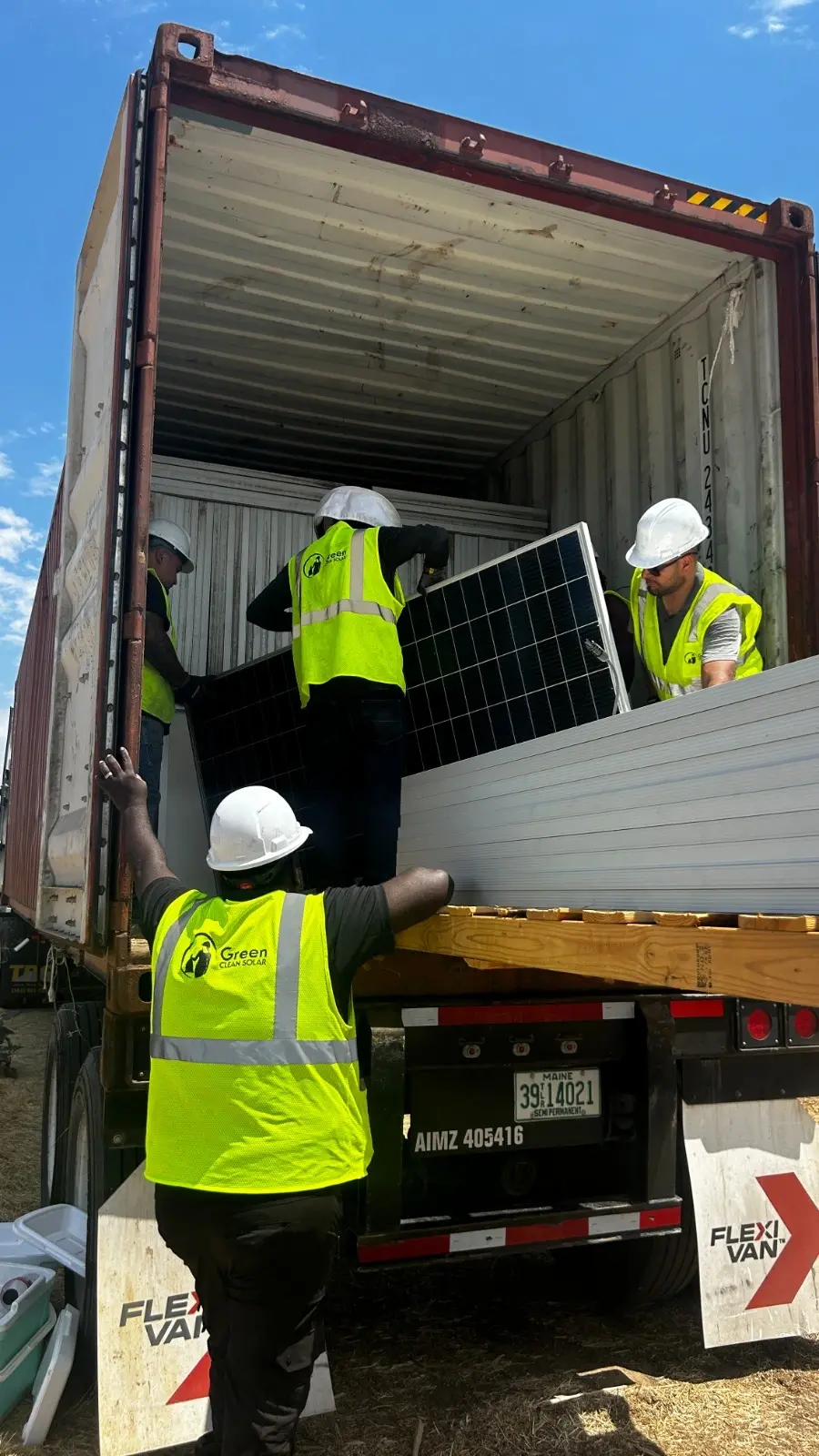
A practical checklist includes:
Record panel quantities, manufacturers, model numbers, and condition where available.
Check whether any panels are suitable for testing, refurbishment, or reuse.
Confirm safe electrical disconnection and removal procedures.
Ask potential recycling partners which materials they recover and where remaining materials go.
Compare transportation, handling, recycling, and disposal costs.
Keep receipts, weight records, recycling documentation, and other project records.
Confirm the applicable federal, state, and local requirements before selecting a disposal route.
For large solar farms, these steps should be integrated into a broader decommissioning plan. Green Clean Solar provides solar site decommissioning services that include planning, removal coordination, material recovery, waste management, and site restoration.
Its solar waste management services also address recycling and material diversion across installation and end-of-life projects.
How Green Clean Solar Supports Responsible Material Recovery
Green Clean Solar helps businesses manage retired solar panels and related renewable energy equipment across the United States, including large-scale project sites.
Its services cover solar module recycling and refurbishing, solar waste management, decommissioning, and recycling coordination for associated equipment. Depending on the project, material streams may include aluminum, copper, steel, wiring, inverters, junction boxes, batteries, racking, cardboard, and plastics.
For projects that require additional oversight, Green Clean Solar also supports waste-diversion data collection and reporting for ESG and sustainability initiatives.
The right recycling plan depends on the project's size, location, equipment condition, transportation needs, and the recovery options available. Rather than assuming that every component can be recycled in the same way, project owners should confirm the proposed handling and destination of each material stream.
If you are planning a solar repowering project, replacing damaged modules, or decommissioning a solar farm, contact Green Clean Solar to discuss your recycling and waste management requirements.
Conclusion
Solar panels contain valuable materials that can be recovered, but responsible recycling requires more than simply removing old modules from a site. Glass, aluminum, copper, silicon, and specialty metals each have different recovery requirements, and not every material will return to solar manufacturing.
For U.S. solar developers, businesses, and asset owners, planning ahead can improve material tracking, reduce avoidable waste, and support better end-of-life decisions.
Green Clean Solar helps businesses coordinate solar panel recycling, decommissioning, and wider site waste management so that recoverable materials can be directed toward appropriate recycling channels. A well-planned approach helps make the environmental benefits of solar energy extend beyond the years a panel spends generating electricity.
Frequently Asked Questions
1. Can solar panels be recycled?
Yes. Many solar panel components can be recovered, including glass, aluminum, copper, and certain plastics. Specialized processes can also recover silicon, silver, and other metals, depending on the panel type and recycling facility.
2. What percentage of a solar panel can be recycled?
There is no universal percentage that applies to every panel and recycling facility. Recovery rates vary according to panel construction, processing methods, material purity, and whether the measurement refers to total weight or a particular material.
3. Is solar panel glass recyclable?
Yes. Glass is the largest material component of most conventional solar panels, accounting for approximately 75% of panel weight according to the EPA. Its eventual use depends on its purity and the specifications of the receiving facility.
4. Can silicon be recovered from old solar panels?
Yes. Silicon can be recovered through specialized mechanical, thermal, or chemical processing. However, additional refining may be necessary before the recovered material can be used in new solar cells.
5. Do solar panels contain hazardous materials?
Some panels contain lead or other substances that require careful handling. Certain thin-film modules may contain cadmium and tellurium. Waste classification and disposal requirements depend on the panel's composition and applicable regulations.
6. Is recycling solar panels cheaper than landfill disposal?
Not always. The U.S. Department of Energy reports that recycling costs can exceed landfill disposal costs in the United States. Project volume, transport distance, processing requirements, and recovered-material value all influence the final cost.
7. Can damaged solar panels be recycled?
Yes, damaged panels may be suitable for recycling even when they cannot be reused. Their condition should be assessed before removal and transport, particularly after hail, storms, fires, or other incidents.
8. Can solar panel recycling support ESG reporting?
Yes. Records of panel quantities, recovered materials, waste destinations, and recycling outcomes can support sustainability reporting. The usefulness of those records depends on the accuracy and completeness of the underlying data.
9. Does Green Clean Solar offer solar panel recycling across the USA?
Green Clean Solar states that it supports solar panel recycling and related waste management projects nationwide, including Hawaii and Puerto Rico. Specific project requirements, logistics, and material-handling arrangements should be confirmed with its team.
10. What happens to solar panels that cannot be recycled?
Panels or components that cannot be recovered through an available recycling process must be assessed for an appropriate alternative, which may include permitted disposal. Their handling should follow applicable waste regulations and the receiving facility's requirements.


Comments